

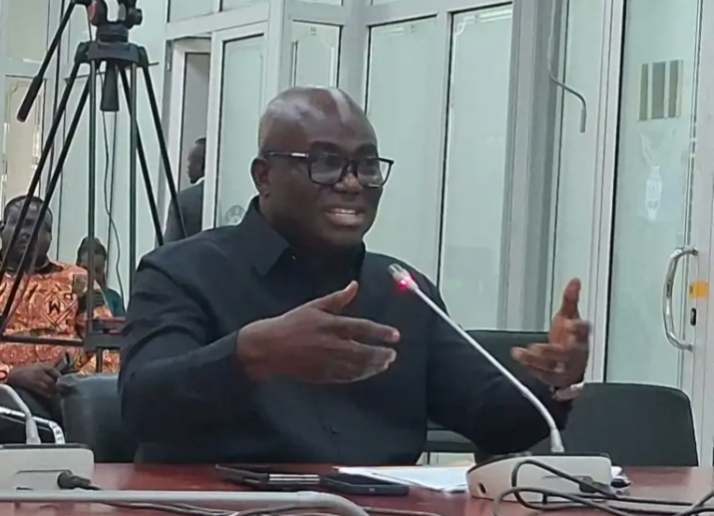
Mr. Eric Opoku, the Minister of Food and Agriculture, has proposed initiatives to assist Members of Parliament (MPs) in engaging in poultry farming under the government’s Feed Ghana Programme, commonly referred to as “Nkoko Nkitinkitsi.”
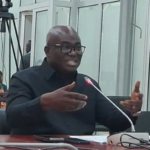
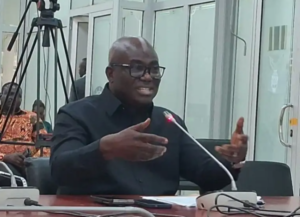
During a briefing for the Parliament’s Assurances Committee regarding the “Nkoko Nkitinkitsi” initiative on Thursday, Mr. Opoku stated that the Ministry is in the process of procuring a significant number of poultry birds to be distributed to interested MPs.
As a poultry farmer himself, he emphasized the substantial benefits he has derived from his investments in the sector and expressed his belief that legislators should be encouraged to pursue poultry farming as a lucrative post-retirement opportunity.
He noted that approximately 67 percent of Ghanaian MPs are already engaged in farming, rendering the initiative both feasible and impactful.
Mr. Opoku further assured the Committee that the Nkoko Nkitinkitsi programme is aimed at enhancing poultry production across the nation, reducing dependence on imports, and improving food security.
He reported that preliminary feedback from communities indicates an increase in egg and meat production, highlighting the programme’s potential to transform livelihoods.
This initiative is part of the broader Planting for Food and Jobs agenda, which aims to modernize Ghana’s agricultural sector and position it as a catalyst for economic growth.
Members of the Committee expressed their support for the proposal, characterizing poultry farming as a profitable venture, with layers producing eggs daily to ensure a consistent income stream.
They also underscored the multiplier effects of such investments, which include job creation, feed production, and the stimulation of rural economic development.
Credit to Access Agric