


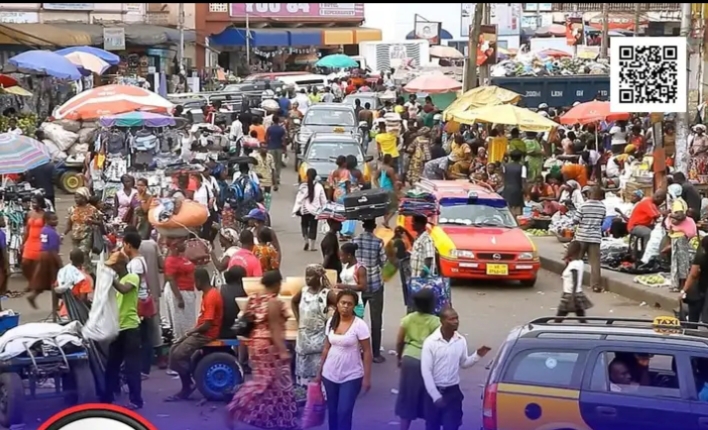
The high cost of accommodation and transportation in Ghana is often cited as a significant driver of corruption, as basic necessities frequently exceed the legal earning capacity of many citizens according to research.
When salaries remain static while the prices of rent and commuting rise, individuals may feel forced to seek “alternative” or illicit income streams to maintain a decent standard of living.
Accommodation Costs and Corruption
Income-Rent Disparity: In major hubs like Accra, the average monthly rent for a studio apartment is roughly GH₵ 2,300 ($150), whereas national minimum wages often fail to cover even basic meals at mid-range establishments.
Money Laundering in Real Estate: The real estate sector is frequently used to launder illicit funds, with high property and hotel prices serving as a “vault” for corruptly acquired wealth. This artificially inflates market prices, making formal housing even more unaffordable for the average worker.
Advance Payment Pressures: Landlords often demand one to two years of rent in advance, a massive lump sum that many civil servants cannot afford without resorting to corruption or high-interest loans.
Transportation Costs and Social Strain
Rising Commuter Burden: Higher transport fares, often driven by fuel levies and poor road infrastructure, translate directly into higher food prices and reduced quality of life.
Erosion of Disposable Income: Public servants living on modest salaries are forced to divert essential portions of their earnings to transport, further narrowing the gap between their legal income and their survival needs.
Systemic Pressures: Experts argue that when a sitting meal or a month’s commute can consume an entire monthly salary, the system inherently “breeds corruption” as a means of survival.