

The reinstatement of inland checkpoints in the Volta Region to their original function has reignited a significant national discourse concerning citizenship, governance, and the state’s treatment of its citizens.
For numerous residents of the region, this issue transcends mere security infrastructure or border management. It pertains to dignity, belonging, and the painful recollections of a time when these checkpoints symbolized suspicion rather than protection.
Every nation bears the responsibility to secure its borders and uphold law and order. When properly managed, checkpoints serve legitimate security purposes. They are designed to monitor movements, prevent illegal activities, and ensure citizen safety. However, when security measures are perceived as unfairly targeting specific communities or regions, they cease to function as protective instruments and instead become reminders of exclusion and discrimination.
Many individuals in the Volta Region believe that during the tenure of the New Patriotic Party (NPP) government, inland checkpoints were transformed from security facilities into instruments of intimidation.
What should have been routine security operations often resulted in law-abiding citizens feeling alienated within their own country.
For years, countless travelers within the Volta Region and across its boundaries encountered procedures that many perceived as excessive and degrading. Residents and visitors alike expressed grievances over repeated questioning, prolonged inspections, and the constant requirement to prove their identity. Particularly troubling for many was the perception that individuals were judged not solely by official identification documents but by subjective criteria.
Accounts emerged of citizens being questioned about their origins based on their appearance, manner of dress, or ability to speak certain Ghanaian languages. Such practices, whether official policy or the result of individual conduct, raised serious concerns about fairness and equal treatment.
Ghana’s identity has always been rooted in its diversity. From the north to the south, from the east to the west, citizens express their Ghanaian identity through various languages, cultures, traditions, and ways of life. No Ghanaian should ever feel compelled to conform to a particular cultural stereotype to be recognized as belonging.
The implication that one must dress in a certain manner or speak a particular language to prove citizenship strikes at the very heart of national unity. Citizenship is not determined by appearance, accent, or ethnic background. It is a constitutional status that belongs equally to every Ghanaian, regardless of region, tribe, religion, or political affiliation.
Equally concerning were reports of travelers being required to leave their vehicles and walk across checkpoint barriers, sometimes under harsh conditions. Whether under the scorching sun, during heavy rainfall, late at night, or in the early hours of the morning, many citizens experienced what they considered unnecessary inconvenience and humiliation.
For elderly persons, pregnant women, individuals with disabilities, and families traveling with young children, these requirements were particularly burdensome. Security procedures should never come at the expense of human dignity.
The effectiveness of a security operation is not solely measured by its ability to detect threats but also by its respect for the rights and welfare of those it serves.
The restoration of these checkpoints to their intended purpose carries significance beyond administrative reform. It represents an opportunity to rebuild trust between citizens and state institutions. It conveys that security can coexist with respect, professionalism, and fairness.
This development should also serve as a lesson for all governments, both present and future. Political power is temporary, but the impact of public policies on people’s lives can endure for generations. When citizens feel targeted because of their region, ethnicity, or political leanings, the social fabric of the nation is weakened. Democracy thrives when every citizen feels equally valued and equally protected by state institutions.
The Volta Region has made immense contributions to Ghana’s development. Its people have participated in nation-building, served in public office, excelled in education and business, and contributed to the country’s cultural richness. They deserve the same respect and consideration afforded to every Ghanaian citizen.
As the country moves forward, security agencies must remain guided by professionalism, constitutional principles, and respect for human rights. Security measures must be based on evidence, intelligence, and lawful procedures—not on assumptions, stereotypes, or regional prejudices.
I commend His Excellency President John Dramani Mahama and the Minister for the Interior, Hon. Mohammed Muntaka Mubarak, for their leadership, efforts, and measures to restore these inland checkpoints to their intended purpose.
The President’s commitment to ensuring that security operations are conducted in a manner that respects the rights, dignity, and freedoms of citizens reflects the values of fairness, inclusion, and democratic governance that all Ghanaians cherish.
I also urge officers at the various security checkpoints to support the government in the effective implementation of this policy. Their professionalism, conduct, and adherence to the principles underlying this restoration will be critical in ensuring that citizens experience the real difference this reform seeks to achieve.
By treating all individuals with dignity, respect, and fairness, they will help strengthen public confidence in our security institutions and reinforce the trust between the state and the people.
Ultimately, the debate about inland checkpoints transcends barriers and inspections. It concerns the type of Ghana we aspire to build. A Ghana where every citizen, regardless of origin, is treated with dignity. A Ghana where security institutions inspire confidence rather than fear. A Ghana where national unity is strengthened through inclusion, fairness, and mutual respect.
The restoration of inland checkpoints to their proper role is not merely an administrative correction. For many in the Volta Region, it represents the reaffirmation of a fundamental principle: that all Ghanaians are equal before the law and equally deserving of respect, dignity, and justice.
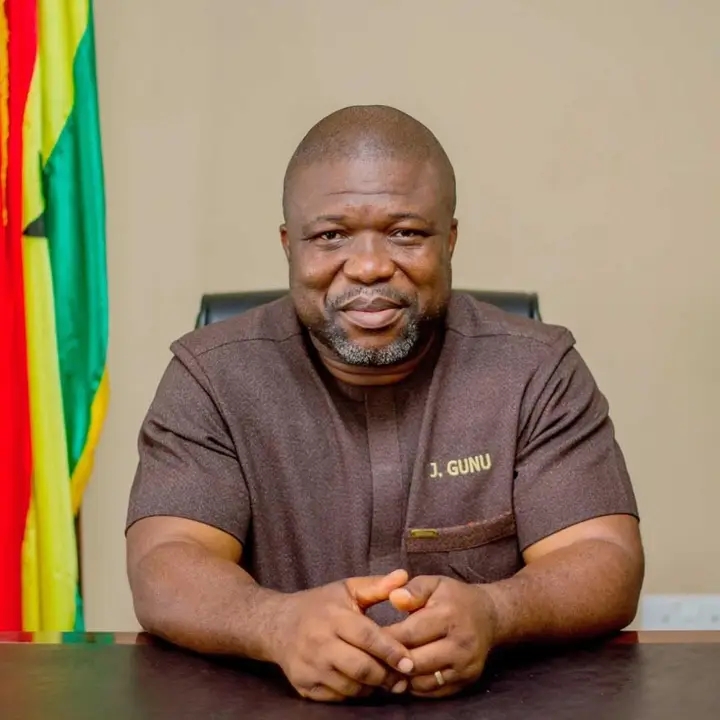
Written by Hon. James Gunu, Volta Regional Minister.