

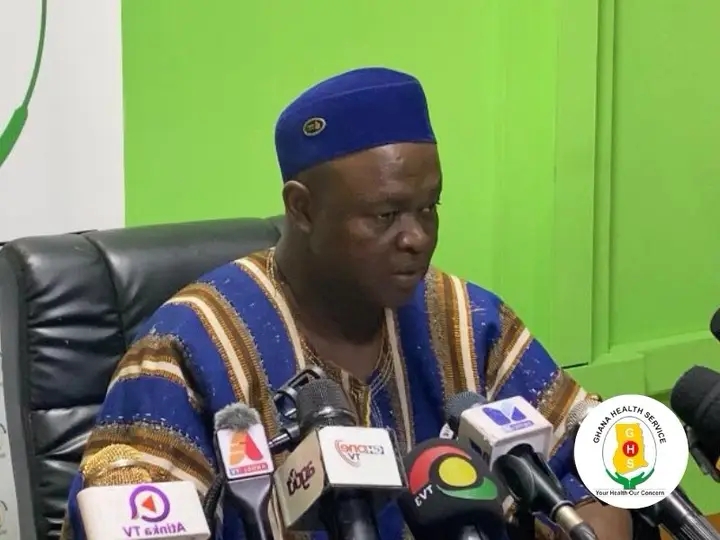
The Director-General of the Service, Dr. Samuel Kaba Akoriyea, has urged Ghanaians to enhance their efforts in cholera prevention, cautioning that the disease, similar to malaria and typhoid, has emerged as a persistent public health challenge during the rainy season.
During a media briefing regarding the School-Based Insecticide-Treated Net (ITN) Distribution and the 2026 Seasonal Malaria Chemoprevention (SMC) Campaign, Dr. Akoriyea articulated that cholera outbreaks have become seasonal in nature over the years, thereby making preparedness a critical priority for both the service and the public.
He disclosed that the Service has formulated various strategic phases to address cholera and ensure the nation is adequately equipped to manage any potential outbreaks. One key aspect of this strategy involves maintaining uninterrupted routine healthcare services while concurrently activating emergency response systems to care for patients affected by cholera.
Dr. Akoriyea further revealed that the Ghana Health Service (GHS) has advanced beyond emergency planning by identifying and designating specific health facilities nationwide to receive and manage cholera cases in the event of outbreaks. He clarified that this proactive approach aims to prevent overwhelming a single treatment center, as experienced during previous outbreaks, while ensuring that patients receive timely and quality care at designated facilities.
Reflecting on lessons learned from past outbreaks, he stated, “Ghana’s response is now guided by experience and careful planning. By decentralizing treatment and enhancing the readiness of health facilities, the Service aims to improve coordination, alleviate pressure on hospitals, and provide expedited medical attention to affected communities.”
While assuring the public of the Health Service’s preparedness, Dr. Akoriyea emphasized that the service’s interventions alone cannot eradicate cholera. He pointed out that preventing the disease necessitates the active involvement of every individual, household, and community.
He consequently urged the public to adopt proper hygiene and environmental sanitation practices, which include regularly washing hands with soap under running water, maintaining cleanliness in homes and surroundings, responsibly disposing of waste, and ensuring that drains and waterways remain unobstructed to facilitate the smooth flow of rainwater and mitigate flooding.
In conclusion, he reminded Ghanaians that cholera is preventable and that collective action remains the most effective means of safeguarding lives. By collaborating and adhering to recommended public health measures, communities can significantly diminish the risk of outbreaks and contribute to a healthier and safer Ghana.
Source: connect Fm