


Stakeholders within Ghana’s fisheries sector have advocated for the implementation of targeted scholarship schemes for students originating from fishing communities, particularly those situated along the Volta Lake, to enhance education and healthcare delivery in underserved regions.
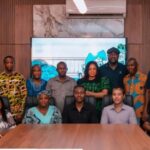
Mr. Daniel Akpaglo Nyamekor, the National Vice President of the Chief Fishermen and Queen Fishmongers Council, made this appeal during the launch of the Association in Kete Krachi, located in the Oti Region.
He urged the Government and Metropolitan, Municipal, and District Assemblies to establish scholarship packages for eligible students from fishing communities to pursue courses at Colleges of Education and Nursing Training Institutions.
Mr. Nyamekor highlighted that although the Government has invested significantly in educational infrastructure across the nation, certain riparian communities continue to encounter obstacles in accessing quality education due to limited school facilities and challenges in attracting and retaining trained educators.
He observed that this situation adversely impacts learning outcomes and restricts opportunities for the youth, which has implications for the long-term socioeconomic development of these communities.
Mr. Nyamekor explained that a dedicated scholarship scheme would empower local residents to train as teachers and health professionals and subsequently return to serve their communities.
“By investing in the education and training of young individuals from these communities, we can cultivate a pool of professionals who possess an understanding of the local environment, language, and culture, thereby enhancing the effectiveness and sustainability of service delivery,” he stated.
He further noted that educators and nurses from fishing communities are more inclined to accept assignments and remain in such areas, thereby reducing staff turnover and ensuring continuity in essential services.
Mr. Nyamekor stated that the initiative would support decentralization and local content policies by fostering community participation and ownership of development programs.
He emphasized that strengthening education and healthcare systems within fishing communities would bolster household resilience and contribute to sustainable livelihoods.
“In investing in the education and health personnel from these communities, we are not only addressing immediate service gaps but also securing the future of the sector,” he added.
He asserted that improved literacy and health outcomes would enable fisherfolk and fish processors to adopt modern practices, diversify income sources, and engage effectively in local governance.
Participants at the event expressed their approval of the proposal and conveyed optimism that the scholarship initiative would complement existing Government interventions aimed at enhancing living conditions in coastal and riparian communities.
They committed to collaborating with District Assemblies, the Ghana Education Service, and the Ministry of Health to identify beneficiaries and establish monitoring mechanisms to ensure transparency and accountability.
By Kingsley Mamore
Source: Access Agric